
How to teach empathy to kids. Teaching empathy to kids is not just about teaching good manners but also about teaching children to understand the feelings of others. Many parents think that they will learn it by themselves as they grow up, but in reality, it has to be developed gradually from an early age.
Children learn by what they see. So if you help someone, speak softly, or stand by someone in distress, the child will follow suit. Stories, especially farm-based stories, play a very effective role in facilitating this learning process.

What Is Empathy And Why Is It So Important?
Empathy is not just about understanding “suffering”—but feeling that feeling within yourself. If a child can be taught “How would you feel if you were in their place?”, then the real learning begins.
- It builds a child’s emotional intelligence
- Strengthens friendships and family relationships
- Reduces anger and quarrels and develops positive behavior
Many people want to know what empathy is for kids—simply put, it is a quality that helps children become kind, understanding, and compassionate people.
How To Teach Empathy To Kids (Real And Effective Ways)
How to Teach Empathy to Kids. The most natural way to teach is to tell stories. When the characters in the story are happy, hurt, or helpful—ask the child:
- “Why did he hurt?”
- “What would you do if you were me?”
These small questions create space for thought in the child’s mind.

Why Farm-Based Storytelling Works More?
Village or farm stories are very simple and realistic.
- Animal stories are easy for children to grasp
- Small events → teach big emotions
- Children can connect quickly
This is why farm-based stories are very effective for teaching empathy to kids.
Small Habits In Daily Life
If you think about how to teach a child empathy, then there is no need to do anything big.
- Talk about it when someone is hurting
- Encourage your child to share
- Develop the habit of saying “thank you” and “sorry.”
Some Effective Techniques
- Role-play: “If you were in his place…”
- Bedtime reading: Read stories every night
- Discussion: Talk about feelings at the end of the story
Why Is The Power Of Farm Stories Different?
Farm stories have a different calmness, which helps children gradually understand emotions.
- Simple life → easy to relate to
- Animal characters → emotional bonding occurs quickly
- Coloring and illustration → add joy to learning
Such stories not only entertain children but also help them change from within.
Practical Tips For Parents & Teachers
It is not enough to just know the theory; regular application is essential.
- Set an example with your own behavior
- Teach your child to think by asking questions
- Remind them of the same thing again and again in a gentle way
Many people ask how you can teach empathy—the answer is only one: patience and consistency. Teaching small things every day brings big changes.
Kind Hearts Farm Books – Easy Way To Learn
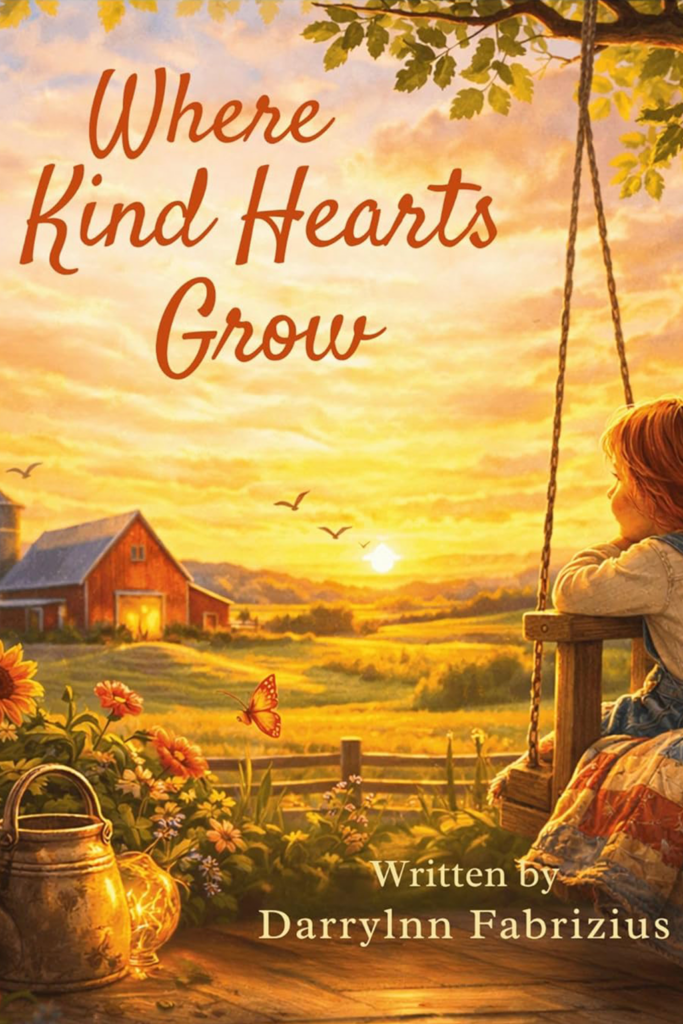
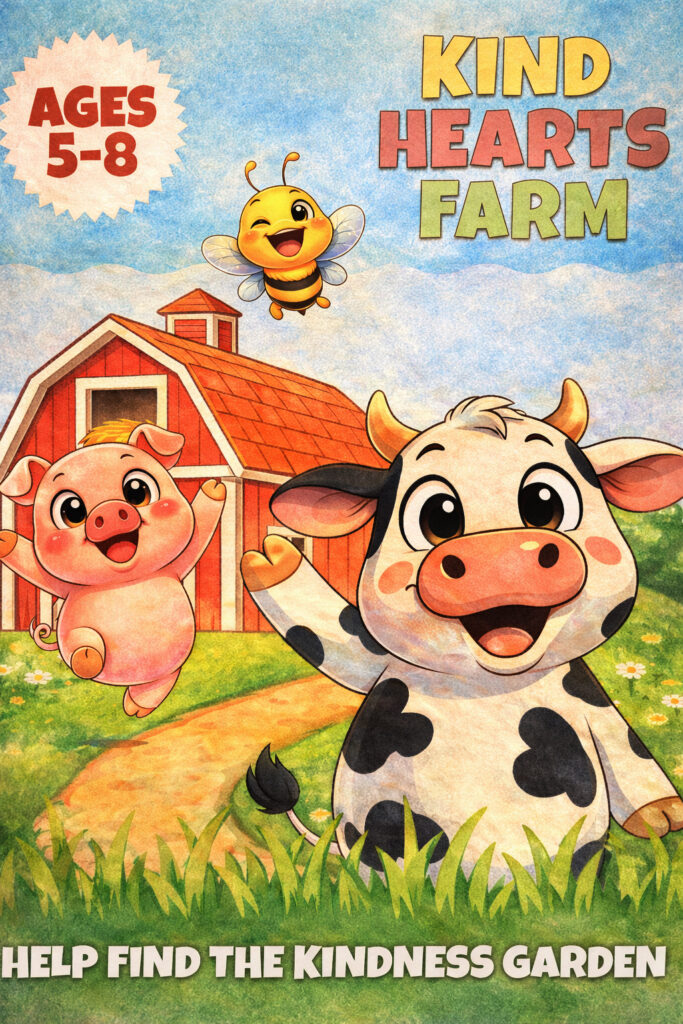
Kind Hearts Farm books are designed in such a way that children can naturally learn empathy, kindness, and courage through stories.
- Suitable for children aged 4–10
- Simple language + attractive pictures
- Coloring activity with stories → learning is more fun
If you really think about how to teach empathy to kids, then this type of story-based book can be an easy and effective solution for you.
FAQ
How To Teach Empathy To Kids – How To Start Simply
Start with short everyday stories and real examples. Nothing too complicated is needed.
At What Age Does Empathy Develop
Many people want to know when kids develop empathy—it usually starts at the age of 2–3, but it increases with time.
Books Or Activities – Which Is More Effective
The best results are obtained when the two are combined. Story + work → fast learning.
How Long Does It Take To Teach Empathy
It develops gradually. If you practise regularly, the results are permanent.
Why Farm-Based Stories Are Different
Because they are simple, calm, and very relatable to the child.
Building Kind And Empathetic Hearts For The Future
How to teach empathy to kids is not a difficult subject if you start right. Short stories, real examples, and your own behavior—these three things have a deep impact on the child’s mind. A small story today can create a compassionate person tomorrow.